
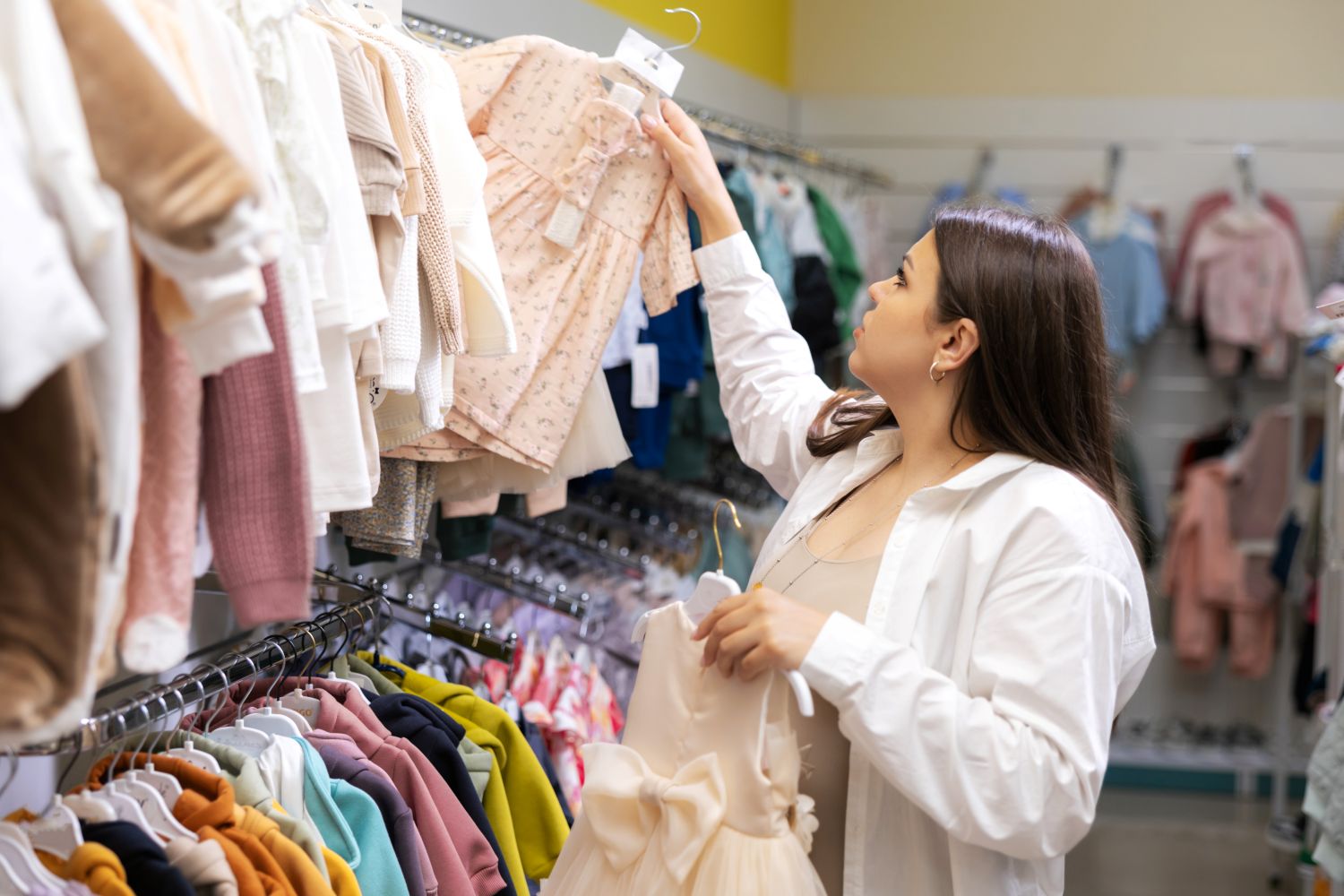
Choosing clothes for children can be both a delightful and challenging experience. With their fast growth, active lifestyles, and unique tastes, selecting the right clothing requires careful consideration. This guide aims to provide parents and caregivers with essential tips to make the process easier, ensuring that children are comfortable, stylish, and appropriately dressed for various occasions.
1. Prioritize Comfort and Fit
Consider Fabric Choices
When selecting children’s clothes, comfort should be the top priority. Look for fabrics that are soft, breathable, and gentle on the skin. Natural materials like cotton, linen, and bamboo are excellent choices because they allow for airflow and reduce the risk of irritation. Avoid fabrics that can cause discomfort, such as rough wool or synthetic materials that don’t breathe well.
Choose the Right Size
Children grow quickly, so it’s essential to choose clothes that fit well but also allow for movement. Opt for slightly larger sizes if you want the clothing to last longer, but avoid clothes that are excessively baggy. Check sizing charts provided by brands, as sizes can vary between manufacturers. Remember to consider the child’s age, height, and weight when making your selection.
2. Embrace Versatility
Mix and Match
When building a children’s wardrobe, focus on versatile pieces that can be mixed and matched easily. Neutral colors and classic styles often work best, as they can be paired with various outfits. For example, a simple pair of jeans can be dressed up with a nice shirt for a family gathering or paired with a casual tee for playtime.
Layering Options
Layering is a practical way to adapt to changing weather conditions and provides extra warmth when needed. Look for lightweight cardigans, hoodies, or jackets that can be easily added or removed. This not only adds variety to a child’s outfit but also encourages independence as they learn to dress themselves according to the weather.
3. Consider Practicality
Easy to Put On and Take Off
Children, especially younger ones, can struggle with complicated clothing. Choose outfits that are easy for them to put on and take off, especially for potty training or quick changes. Items with elastic waistbands, zippers, or buttons that are easy to manipulate can make dressing more manageable for both parents and children.
Durability and Ease of Care
Kids are naturally active, so their clothes need to withstand wear and tear. Look for durable fabrics and well-constructed garments that can handle rough play. Additionally, consider the ease of washing and maintenance. Machine-washable items that don’t require special care will save time and effort.
4. Pay Attention to Style and Expression
Let Them Choose
As children grow, they develop their own sense of style. Involve them in the shopping process and allow them to express their preferences. This can foster a sense of independence and confidence in their choices. However, it’s essential to guide them towards options that are appropriate for the occasion and season.
Trend Awareness
While children’s fashion trends can change quickly, it’s still fun to incorporate trendy elements into their wardrobe. Look for styles that reflect current trends but are also timeless enough to last beyond a single season. This way, you can strike a balance between trendy and practical.
5. Seasonal Considerations
Dress for the Weather
Ensure that your child’s wardrobe includes appropriate clothing for each season. In colder months, invest in warm layers, hats, gloves, and waterproof outerwear. For summer, lightweight, breathable fabrics and sun protection, such as hats and UV-protective clothing, are essential.
Special Occasions
Don’t forget to include a few special outfits for occasions like birthdays, holidays, or family gatherings. These outfits can be more formal or festive, allowing children to feel special during important events. Look for clothes that are comfortable yet stylish, so they can enjoy the occasion without feeling restricted.
Conclusion
Choosing children’s clothes doesn’t have to be a daunting task. By prioritizing comfort, versatility, practicality, and personal expression, you can create a wardrobe that meets your child’s needs and preferences. Remember to involve your child in the process, allowing them to develop their sense of style while ensuring they are dressed appropriately for various occasions. With these guidelines, you’ll be well-equipped to make informed choices that keep your little ones comfortable, stylish, and happy!